
Why Southeast Asia Matters for Design Innovation
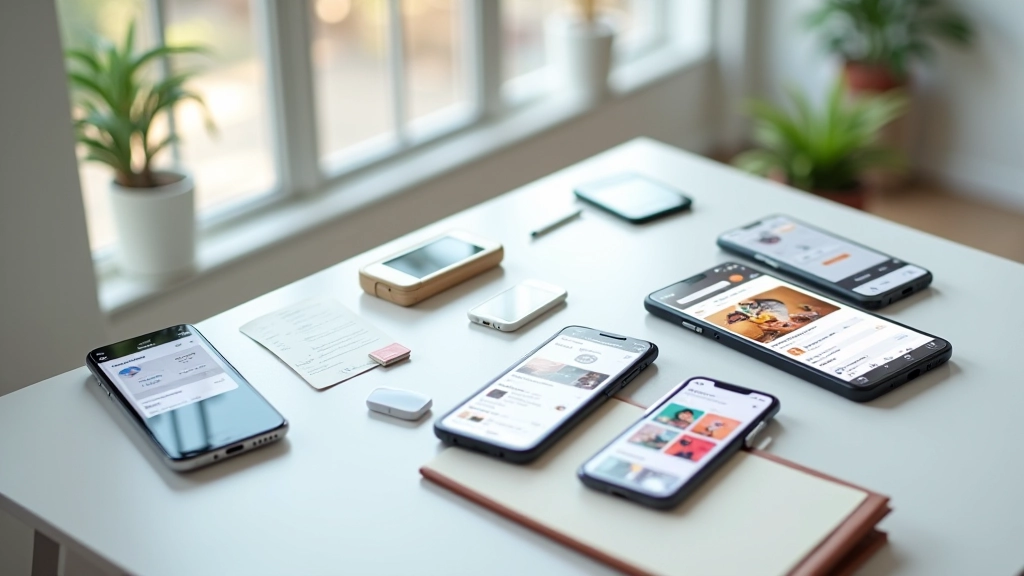
Southeast Asia isn’t just a market anymore. It’s become a design laboratory where companies test new ideas, iterate rapidly, and create products that work for users in Indonesia, Vietnam, Thailand, Philippines, and beyond. The region’s 700+ million people have created a unique design challenge that’s reshaping how we think about digital products.
What makes this region special? Mobile-first thinking isn’t optional here—it’s essential. Most Southeast Asian users access the internet primarily through smartphones. They’re on slower connections, they value data efficiency, and they expect interfaces that work offline or with minimal connectivity. That’s pushed designers to rethink everything from information hierarchy to animation performance.

Localization Goes Beyond Translation
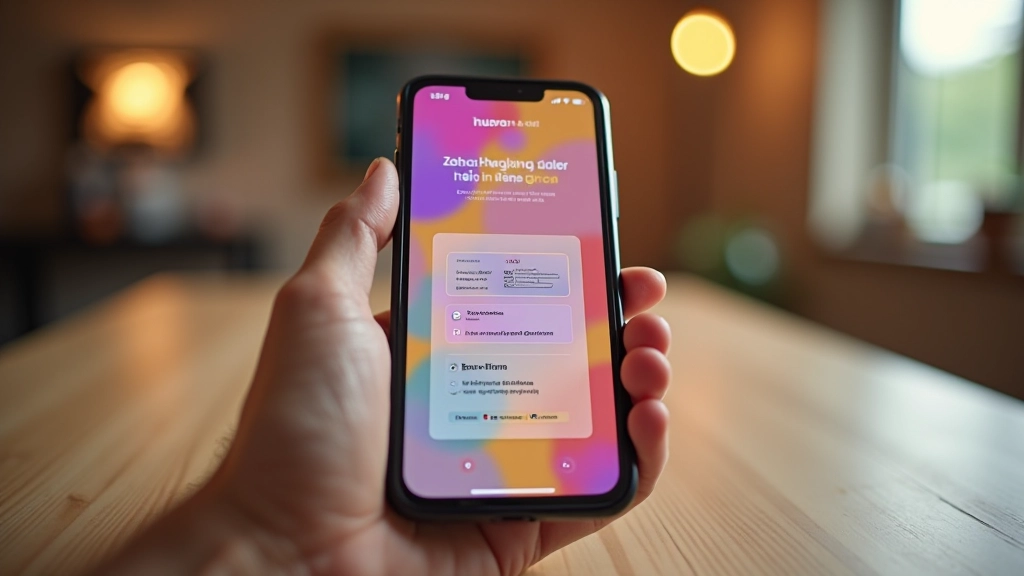
Here’s what designers often miss: translating text isn’t localization. A successful app in Southeast Asia requires understanding cultural preferences, payment methods, communication styles, and visual language preferences. Thai users prefer different color combinations than Vietnamese users. Indonesian apps need different navigation patterns than Singaporean ones.
Typography is huge. Languages like Thai and Vietnamese have unique characteristics that affect layout, spacing, and readability. We’ve seen designs that looked perfect in English completely break when localized. Line-height needs adjustment. Character spacing changes. Icons that work in Western markets sometimes feel out of place in Southeast Asian contexts.
Payment integration shows another layer of localization. E-wallets, bank transfers, and cash-on-delivery aren’t optional features here—they’re core payment methods that need prominent placement. We’re designing checkout flows completely differently than we would for Western markets.
Educational Note: This article presents current design patterns and trends based on research and industry observations. Design practices evolve continuously. Always validate design decisions with actual user testing in your specific market. Circumstances, user preferences, and technological capabilities vary significantly across Southeast Asian countries and user demographics.
Performance-First Design Philosophy
You’ll see this trend everywhere in Southeast Asian apps: performance drives design decisions. Not in a boring way. In a smart, intentional way. Designers here are obsessed with file sizes, load times, and how animations feel on 3G connections. It’s changed what’s possible.
Consider how animations are implemented. Developers and designers work together to create micro-interactions that feel smooth but don’t kill performance. You’ll notice fewer heavy JavaScript frameworks and more CSS-based animations. Loading states are visible, intentional, and sometimes playful. Skeleton screens are designed with care, not just thrown together.
Image optimization isn’t afterthought here. It’s part of the design process from day one. We’re using WebP formats, responsive images, and lazy loading as standard practice. Some designers even simplify illustrations to reduce file sizes while maintaining visual appeal.


Accessibility and Inclusive Design Matter
Southeast Asian designers are leading the way in accessible design. Why? Because the region has diverse user bases with varying literacy levels, technical proficiency, and abilities. Inclusive design isn’t trendy here—it’s necessary.
Color contrast requirements are taken seriously. Text needs to work for users with color blindness. Icon design includes labels because not everyone reads UI icons the same way. Voice input and audio feedback aren’t extras; they’re expected features. We’re seeing apps designed with screen readers in mind from the beginning, not added as an afterthought.
The Rise of Minimalist, Purposeful Design
Flashy isn’t winning in Southeast Asia. Clean, purposeful design is dominating. We’re seeing a shift away from heavy skeuomorphism and toward minimal, functional interfaces. Every element needs to justify its existence. Whitespace is respected. Visual hierarchy is crystal clear.
This connects back to performance. Minimalist design naturally uses fewer resources. But it’s also about respect for users’ time and attention. Southeast Asian users are sophisticated. They’ve used international apps. They know good design when they see it. Local apps that succeed combine clean design with cultural understanding.

What This Means for Your Design Practice
Southeast Asian design trends aren’t niche anymore. They’re influencing global design practices. If you’re designing digital products, understanding these trends makes you a better designer—whether you’re targeting Southeast Asia or not. Performance-first thinking, accessibility from day one, and culturally aware design benefit everyone.
The key takeaway? Southeast Asia has taught the design world that you don’t need to choose between beautiful and functional. You don’t need to pick between culturally sensitive and globally scalable. The best products we’re seeing do both. They’re designed with specific users in mind, but the principles are universal.
Start paying attention to what’s happening in Southeast Asian apps. Notice how they handle localization. Watch how they perform on slower connections. See how they respect user attention. These aren’t just regional preferences—they’re the future of thoughtful design.